

Automated Pesticide Residue Analysis
Discover modern solutions for automated sample preparation and efficient GC-MS analysis at the 16th EPRW.
Our Highlights
New Twister Phases | µ-SPE | Automated Liner Exchange
When?
June 8 – 12, 2026
Where?
Rotterdam, The Netherlands
Booth No. 31
Symposium Website
The 16th European Pesticide Residue Workshop is recognized as one of the leading scientific events in the field of pesticide residue analysis and brings together international experts from research, routine analysis, regulatory environments, as well as the food and agricultural industries.
This year’s focus includes:
- modern analytical techniques and methods
- qualitative & quantitative analysis using High Resolution Mass Spectrometry
- quality assurance and requirements for laboratory accreditation
- Green Analytical Chemistry
- analysis of “new food”
- Artificial Intelligence
- Analytical Quality Control (AQC)
- challenging pesticides and complex matrices
Our Highlights On-Site
We will present innovative solutions for automated sample preparation and efficient GC-MS analysis, including new Twister phases, µSPE, and Automated Liner Exchange (ALEX).
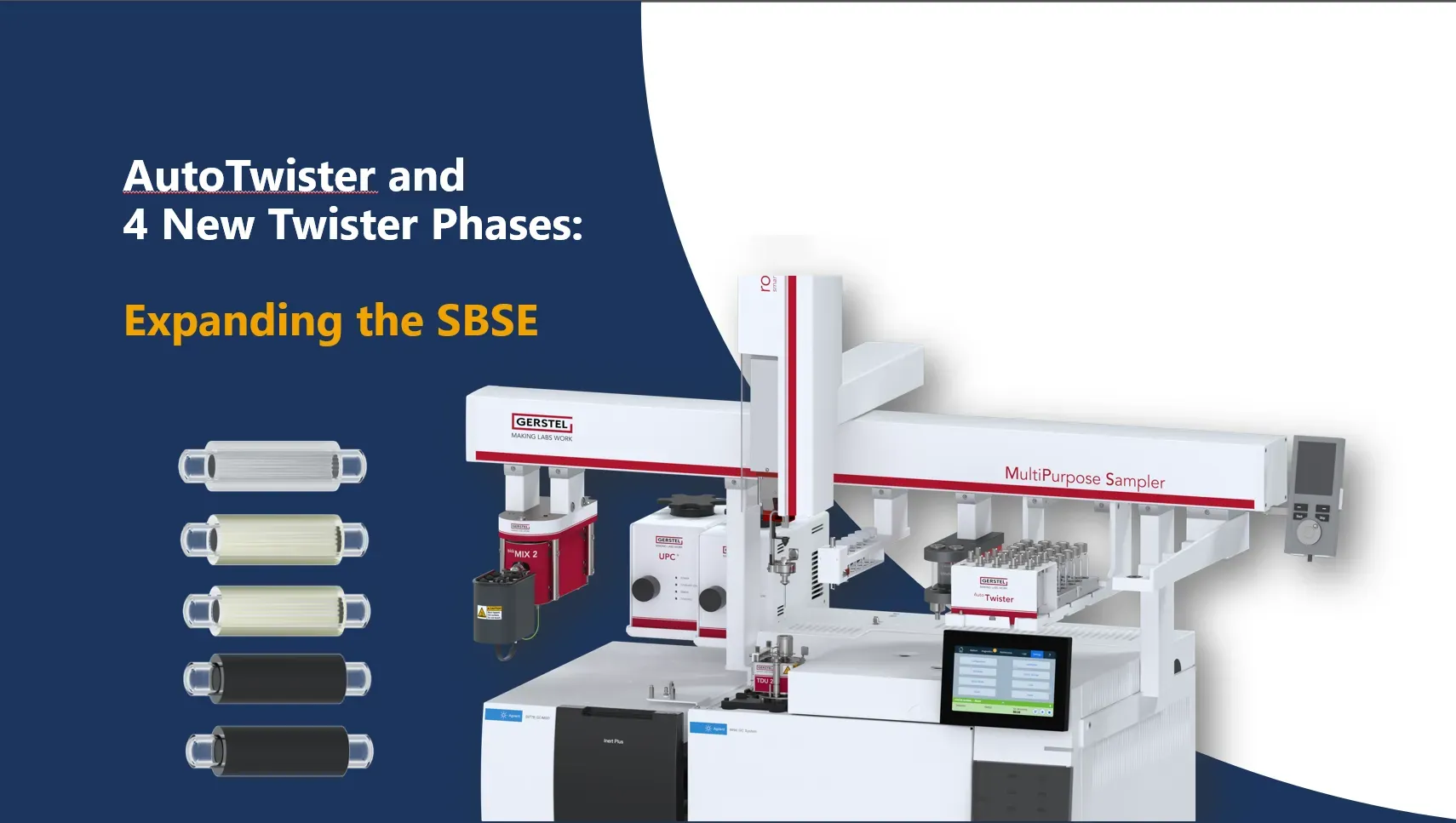
New Twister Phases
The new Twister phases expand the analytical scope of sorptive extraction. With four new sorbent phases, the expanded Twister portfolio covers a significantly broader polarity range and enables targeted adaptation to a wide variety of analyte profiles and sample matrices.
In addition to the proven PDMS phase, new phase combinations such as:
- PDMS/DVB
- PDMS/HLB
- PDMS/CWR
- PDMS/DVB/CWR
further extend the portfolio. A modified Twister design with an additional outer coating also provides enhanced selectivity.
In combination with the AutoTwister, the new phases support flexible, automated, and reproducible SBSE workflows for demanding analytical applications
µSPE
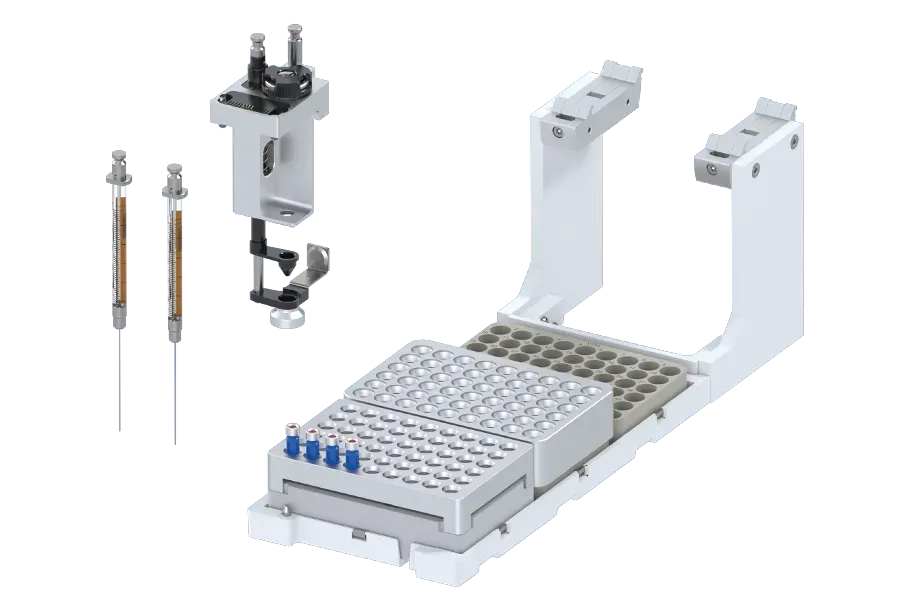
The µSPE option for the MultiPurposeSampler enables automated solid phase extraction directly prior to injection. Using only small sample volumes, fully automated solid phase extraction can be performed on a miniaturized scale within a disposable cartridge. µSPE is particularly suited for the automated clean-up of samples such as QuEChERS extracts.
The use of disposable cartridges helps minimize carryover and reduce time-consuming rinsing steps. At the same time, µSPE supports greener analytical workflows by reducing sample and solvent consumption while maintaining high workflow efficiency.
Automated Liner Exchange (ALEX)
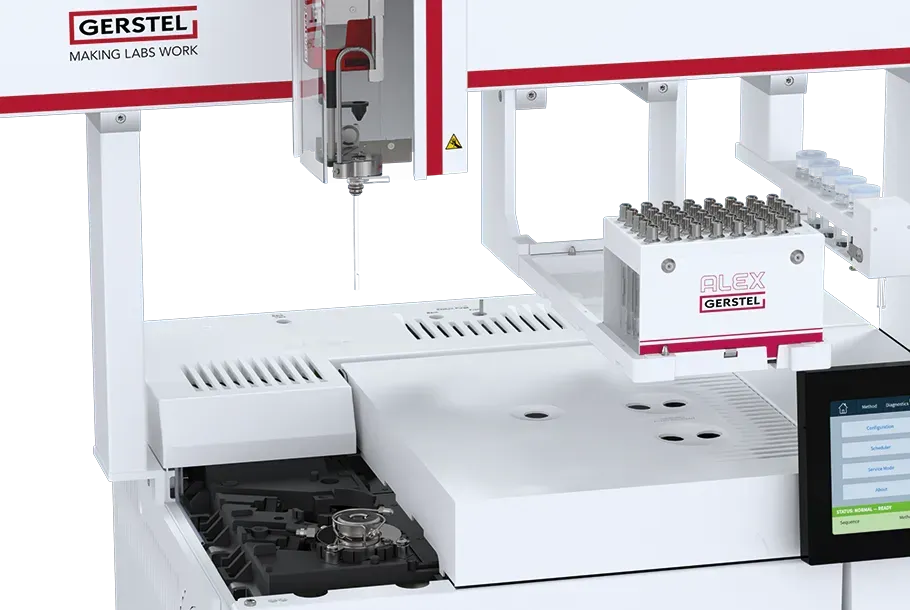
The Automated Liner Exchange (ALEX) option automates the exchange of GC inlet liners within the GERSTEL Cooled Injection System (CIS) and supports stable and reproducible analytical conditions – particularly for matrix-loaded samples such as QuEChERS extracts and long analytical sequences in pesticide residue analysis.
By automatically replacing contaminated liners, matrix-containing samples can be analyzed without extensive sample preparation, manual intervention can be reduced, and liners with different properties can be used within a single sequence – for example during method development. ALEX therefore improves the robustness of GC-MS workflows as well as process reliability in routine laboratory operation.
Our team on site
Jochen Vandenberg & Leonhard Nünemann
Get in touch with our team today!